Preserving the Past: A Modern Approach to Ancient Heritage
The internationally renowned David Chipperfield Architects has recently unveiled plans for the restoration of the iconic Roman Theater located in Brescia, Italy. This ancient monument, steeped in cultural and historical significance, is about to undergo a sensitive transformation that honors its rich past while making it accessible and relevant for modern audiences. The project, nestled in the heart of Brescia's archaeological area—one of the largest Roman sites in northern Italy—aims to strike a balance between preservation, accessibility, and contemporary functionality. Spearheaded by the Berlin office of David Chipperfield Architects, the intervention emphasizes minimalism, sustainability, and the respectful treatment of the site's original architecture.
A Journey Through Time: The Roman Theater of Brescia
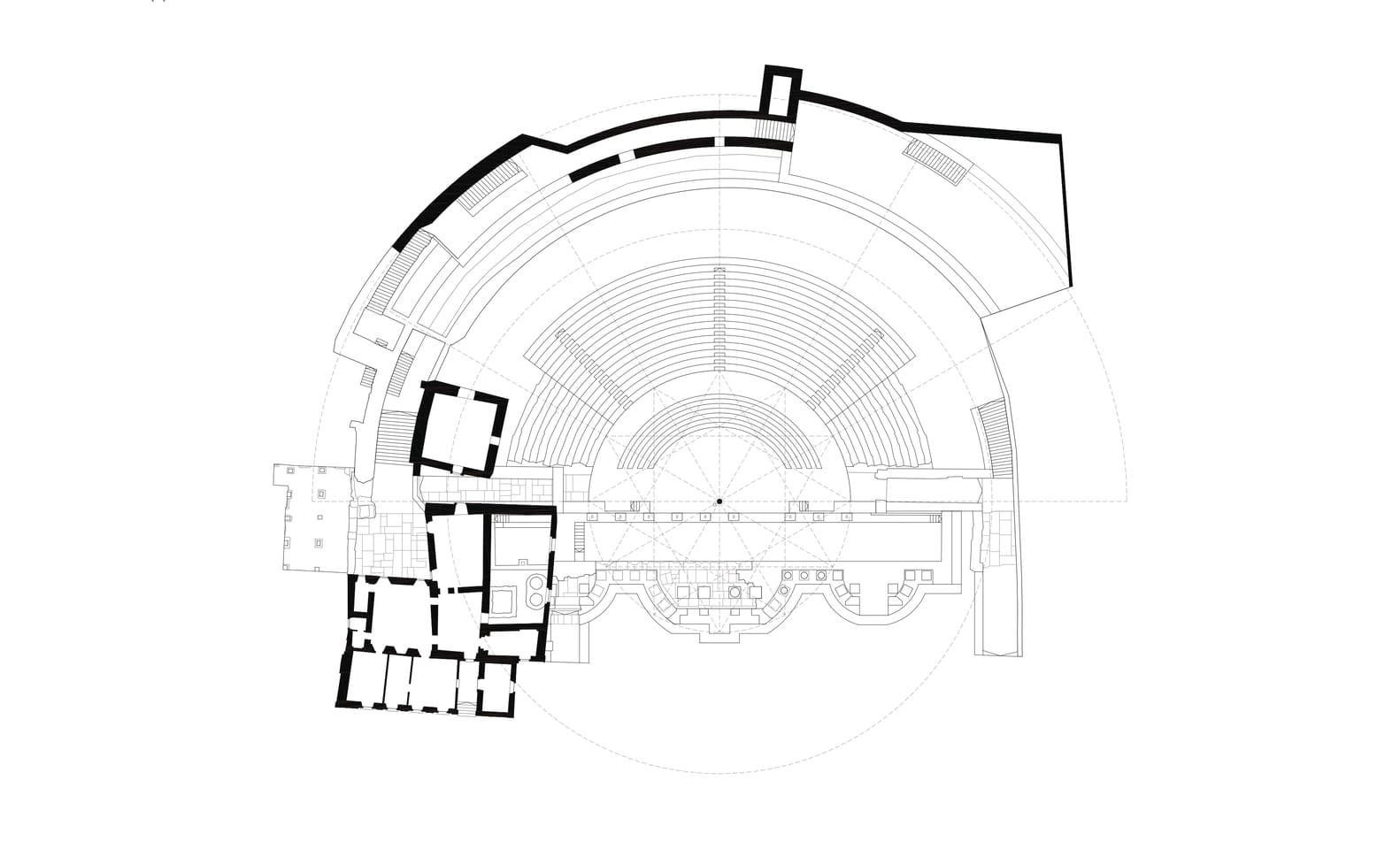
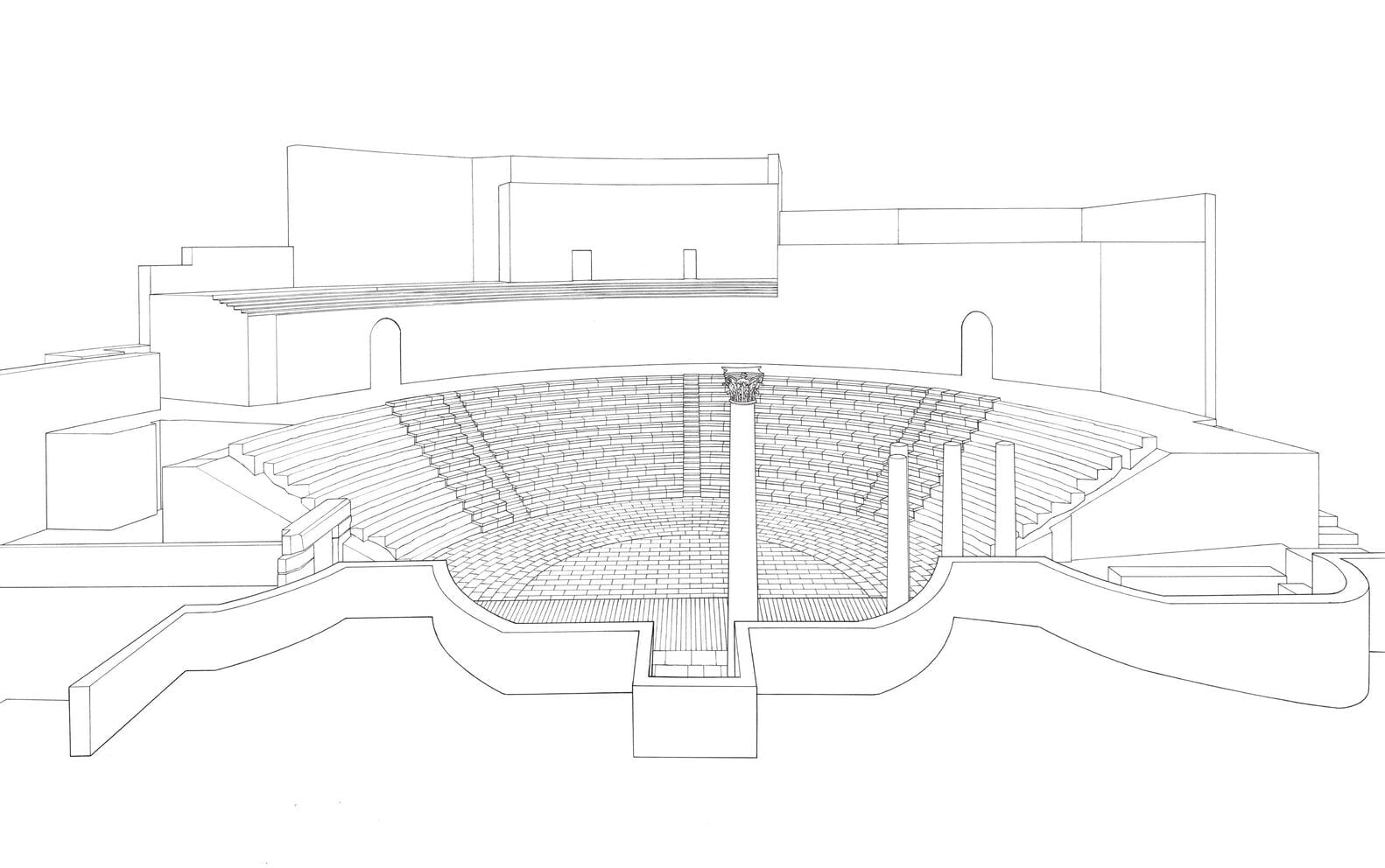
Built in the 1st century CE during the Roman Empire, the Roman Theater of Brescia once held a central place in public life. Positioned adjacent to the Capitoline Temple and other ancient ruins, the theater forms part of the UNESCO-listed “Brixia – Archaeological Park of Brescia Romana.” Though impressive remnants remain—such as portions of the stage, cavea (seating area), and architectural elements—the theater has suffered degradation due to centuries of neglect, natural wear, and urban development. The restoration plan by David Chipperfield Architects brings renewed attention to this cultural gem.
Chipperfield’s approach is not about replicating or reconstructing lost structures. Rather, it focuses on clarifying the identity of the monument and reintegrating it into the public and urban fabric of Brescia. The plan prioritizes minimal, respectful interventions that help visitors understand and appreciate the theater’s layers of history. Key goals of the restoration plan include:
Enhancing the readability of the theater’s architectural features
Improving public access and circulation
Creating spaces for educational and cultural events
Ensuring structural stability and long-term conservation
Through this project, the architects aim to provide not just a preservation of stone, but reestablish the Roman Theater as a living cultural venue.
Design Elements: Bridging Antiquity with Contemporary Design
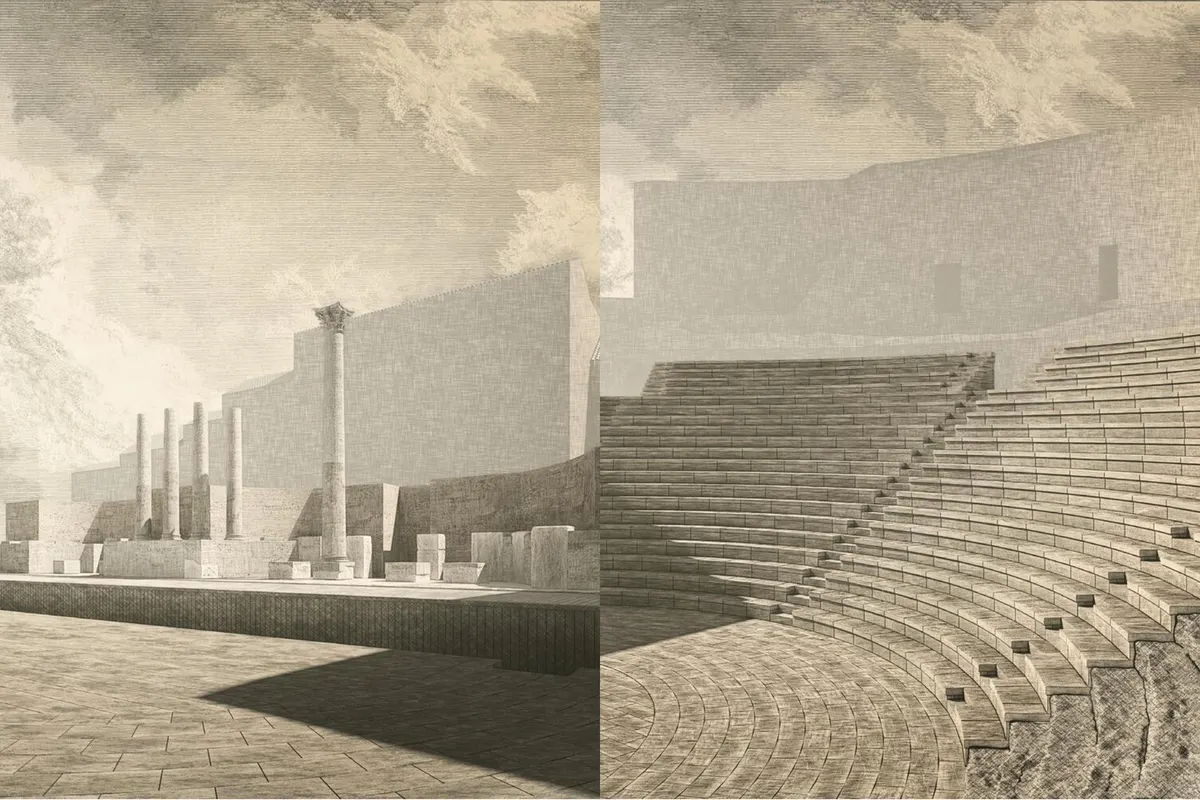
The architectural intervention introduces new elements crafted with simple, modern materials—primarily metal and concrete—that stand in contrast yet complement the historical aesthetic. These additions are deliberately low-impact, enabling the original structure to remain the focal point. Some notable design strategies include:
Reconstruction of the vomitoria and lower seating tiers to suggest the original configuration of the cavea without mimicking it
New walkways and viewing platforms designed to enhance visitor experience while respecting the integrity of the ruins
Discreet lighting and visual cues to emphasize important features and pathways
Integration of interpretive materials to educate the public through signs, digital content, and guided tours
This thoughtful balance between old and new allows the theater to function once more—not just as a relic of the past, but as a vibrant civic space that resonates with contemporary life.
Reactivating the Cultural Heart of Brescia
The intervention is part of a larger vision to reinvigorate the cultural landscape of Brescia by reconnecting several archaeological and historical sites. By transforming the Roman Theater into a functional, accessible space, the city hopes to inspire both locals and tourists to engage more deeply with its ancient heritage. Benefits for the city include:
Strengthening Brescia’s cultural tourism potential
Expanding educational and academic opportunities in collaboration with local universities and institutions
Hosting live performances and cultural events similar to how the theater was originally used in Roman times
This project not only preserves history but nurtures community engagement and revitalizes urban spaces.
David Chipperfield’s Legacy of Heritage Conscious Design
David Chipperfield is globally celebrated for his architectural projects that emphasize contextual sensitivity and cultural respect. From the Neues Museum in Berlin to the Royal Academy of Arts in London, his work consistently showcases a deep appreciation for history and the environment. In the case of the Roman Theater in Brescia, this ethos shines through. The plan doesn't impose a new identity on the monument. Instead, it helps reveal what is already there—hidden beneath layers of time, neglect, and urban sprawl. Chipperfield once stated: “Architecture is about listening.” This is clearly the guiding principle behind the project, as the theater is given the ability to “speak” again—telling the rich story of Brescia’s ancient roots.
Sustainability and Future-Proofing Heritage
In line with modern conservation best practices, the restoration plan incorporates environmentally responsible strategies. Materials are chosen not only for their aesthetic compatibility but also for their durability, reversibility, and low environmental footprint. Key sustainability considerations include:
Use of recyclable and local materials wherever possible
Minimized ground disturbance to preserve archaeological context
Energy-efficient lighting and passive design elements to reduce energy use
By prioritizing sustainability, the project ensures that this cultural landmark can be passed down to future generations without compromising today’s environmental responsibilities.
A Dialogue Between Past and Present
The restoration of the Roman Theater in Brescia by David Chipperfield Architects is more than a conservation effort; it’s a profound dialogue between eras, disciplines, and communities. The project exemplifies how architecturally attuned restorations can breathe new life into historical landmarks without erasing their identity. As the city of Brescia embraces its Roman heritage under a contemporary lens, this project sets a precedent for other urban centers looking to rejuvenate their historical sites. It showcases the power of architecture to honor the past while crafting spaces that are meaningful, functional, and sustainable for the future. With construction anticipated to progress in phases, the residents and visitors of Brescia can look forward to a rejuvenated landmark that stands as a testament to thoughtful restoration and architectural humility. Want to stay updated on the project? Follow David Chipperfield Architects and the City of Brescia for the latest announcements and progress reports.
A moving real estate Thanksgiving story about helping military families transition. Discover how virtual staging honors memories while preparing homes for new c…
A heartwarming Thanksgiving interior design story about creating spaces for blended families. Discover how thoughtful design helps new families feel at home tog…
Master fall virtual staging with AI tools. Discover autumn real estate marketing strategies and property listing ideas that drive emotional buying decisions.