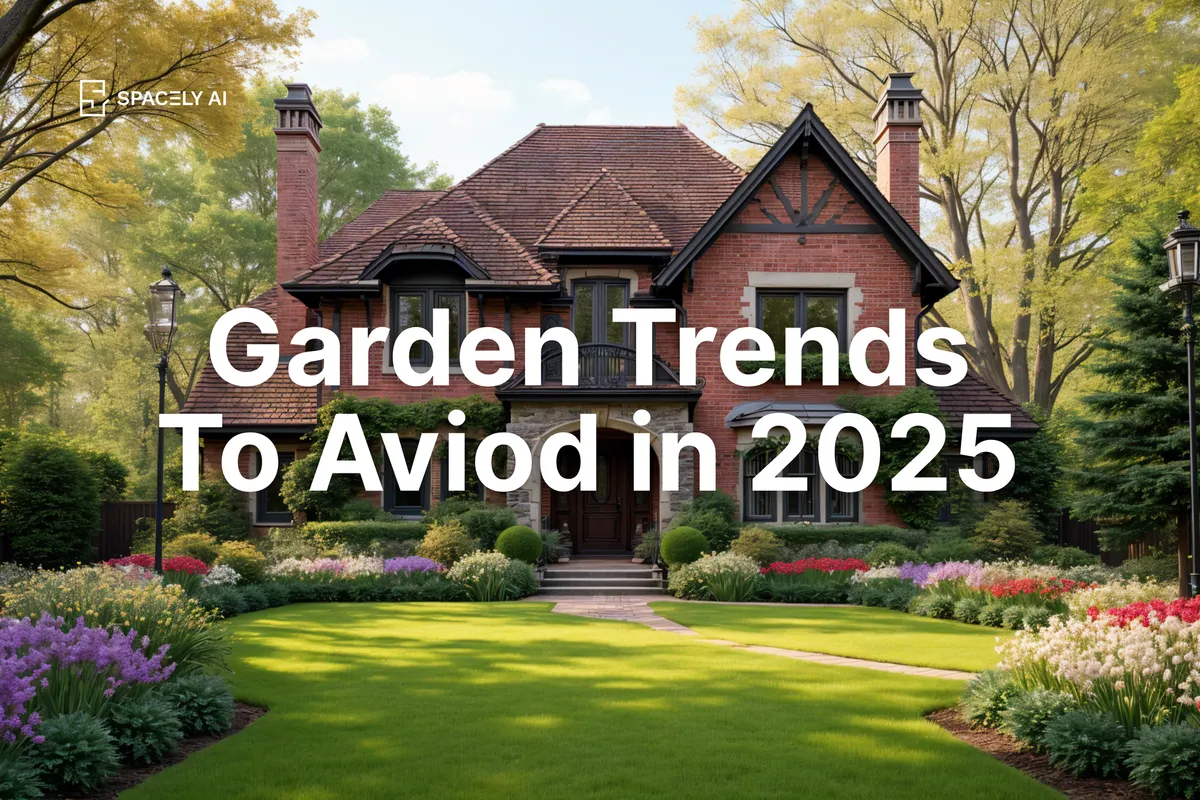
As we step into 2025, fresh ideas and a renewed appreciation for sustainable, low-maintenance landscaping are taking center stage. Garden experts and designers are pushing back against certain outdated practices and aesthetic choices that no longer align with modern values. If you're planning to refresh your outdoor space this year, it might be time to rethink some popular but passé garden trends. Here are the top garden trends to ditch in 2025—according to expert insights—and what to embrace instead.
1. Say Goodbye to Artificial Turf
Artificial turf has enjoyed a surge in popularity over the past decade, especially among urban and suburban homeowners looking for a "maintenance-free" lawn. But as environmental awareness grows, so does criticism of synthetic grass.
Why It's Falling Out of Favor:
- Poor sustainability: Made from plastic, artificial turf contributes to landfill waste and doesn't break down naturally.
- Heat hazards: In hotter climates, synthetic turf can become dangerously warm, affecting both people and pets.
- Biodiversity loss: A plastic lawn doesn’t support insects, birds, or pollinators essential to local ecosystems.
Instead, experts recommend moving towards native ground covers or mixed grass alternatives like microclover, thyme, or creeping sedum. These choices not only look beautiful but also support local wildlife and require less maintenance over time.
2. Monochromatic and Sterile Plant Palettes
Structured and monochromatic gardens—once a staple of contemporary landscapes—are on their way out in 2025.
What’s the Issue?
- Lack of biodiversity: A limited range of plant species leaves gardens more vulnerable to pests and disease.
- Visual monotony: Gardeners and homeowners alike are craving dynamic, colorful spaces that reflect nature’s richness.
What to Try Instead: Embrace a wild, pollinator-friendly garden with a vibrant mix of native wildflowers, perennials, and shrubs. These dynamic spaces attract butterflies, bees, and birds while adding texture and visual interest year-round.
3. Over-landscaped, High-Maintenance Yards
Layered hedges, manicured topiaries, and excessive lawn space might look polished, but their upkeep often outpaces their reward. This high-maintenance style is slipping out of vogue.
Why It's No Longer Ideal:
- Resource-heavy: These gardens often require constant watering, fertilizing, and pruning.
- Labor-intensive: Not every homeowner wants to act as a full-time groundskeeper—or hire one.
In 2025, the focus shifts to low-maintenance landscaping. Think native grasses, xeriscaping, and shrubs that thrive in your specific climate. These allow for more freedom and less work, all while contributing positively to your local ecosystem.
4. Excessive Hardscaping
Outdoor spaces that are dominated by concrete, gravel, or stone with minimal plant life are falling out of favor. Often praised for their minimal upkeep and clean aesthetic, overly hardscaped areas can feel cold and uninviting.
What Experts Say:
- They don’t age well: Over time, large surfaces show wear and tear, cracks, and weeds breaking through.
- Negative environmental impacts: Hardscapes block water absorption, increasing runoff and stress on stormwater systems.
Instead, incorporate green infrastructure through permeable pavers, rain gardens, and soft landscaping elements. These approaches create balance, offering aesthetic appeal while improving drainage and supporting plant and animal life.
5. Themed and Overly Curated Gardens
Gone are the days when your backyard needed to follow a specific theme, like “Japanese Zen” or “Tuscan Villa.” While these can be stunning when done authentically, many themed gardens come off as over-curated and lack personality.
Modern Alternative:
- Eclectic, personal touches are in-style in 2025. Bring together furniture, lighting, and plants that genuinely resonate with you rather than strictly sticking to one idea.
- Let the space evolve organically over time—a garden should tell your personal story rather than replicate someone else's.
6. Non-Native Invasive Plants
Using exotic plants may seem intriguing and visually appealing, but they often do more harm than good. Many exotic species are considered invasive, outcompeting native varieties and damaging the local environment.
Better Options:
- Opt for native perennials, ornamental grasses, and locally adapted shrubs that support pollinators and require fewer resources.
- Ask your local nursery about regional plant species that are resilient and environmentally harmonious.
7. Synthetic Fertilizers and Pesticides
Growers are increasingly moving away from synthetic chemicals in their gardens, given their harmful effects on soil health, pollinators, and water systems.
Healthier Alternatives Include:
- Organic compost and mulch to naturally fertilize your soil
- Integrated Pest Management (IPM) strategies that focus on prevention, observation, and natural deterrents
The goal for 2025 is to create a holistic garden ecosystem that supports its own growth and rhythm without a heavy reliance on artificial inputs.
2025 Garden Trends to Embrace
With older trends being phased out, what should homeowners and garden enthusiasts embrace instead? Experts suggest leaning into concepts like:
- Rewilding sections of your garden
- Maximizing biodiversity with pollinator-friendly plants
- Rainwater harvesting and eco-conscious irrigation
- Edible landscaping — integrate seasonal fruits, herbs, and vegetables
- Outdoor spaces that double as living areas: think pergolas, hammocks, and native plant privacy walls
💡 Final Thoughts
As garden design continues evolving, the message from experts is clear: less artificial, more authentic. In 2025, gardening is about connecting with nature, increasing sustainability, and creating spaces that are both nurturing and ecologically responsible. By letting go of these fading trends and embracing a more natural approach, you'll not only enhance your garden's beauty—but also ensure it thrives for years to come.
Ready to begin your garden transformation? Start small, plant with purpose, and let your yard grow wild with intention.
💙 If you enjoyed this content and want more interior design ideas, don’t forget to subscribe to our blog. Stay tuned with Spacely AI’s Design Diaries for the latest insights and innovations in design. Together, let’s explore, innovate, and redefine the boundaries of design.
For more information and media inquiries, please contact
Website: spacely.ai
Facebook: facebook.com/spacelyai
Instagram: instagram.com/spacely.ai
X: x.com/spacelyai
Email: [email protected]