Still Going Strong! 5 Interior Design Trends That Will Rule 2025
Paruey A··4 min read
As we move through 2025, five interior design trends are proving their staying power by transforming how we experience our living spaces. These approaches go beyond surface-level decoration to create environments that truly enhance daily life.
Colour drenching involves saturating an entire room in varying shades of a single color family. Think of painting a room in multiple tones of forest green—sage on the ceiling, emerald on walls, and hunter green on trim. This technique creates an immersive, cocoon-like environment that feels surprisingly calming rather than overwhelming.
The key to successful colour drenching lies in understanding how different tones of the same hue interact with light throughout the day. Popular choices include warm terracottas, rich navy blues, and earthy sage greens. The psychological impact creates a sense of security and intentionality that makes spaces feel more intimate and purposeful.
2. Ceilings Are the New Walls: The Fifth Wall Revolution
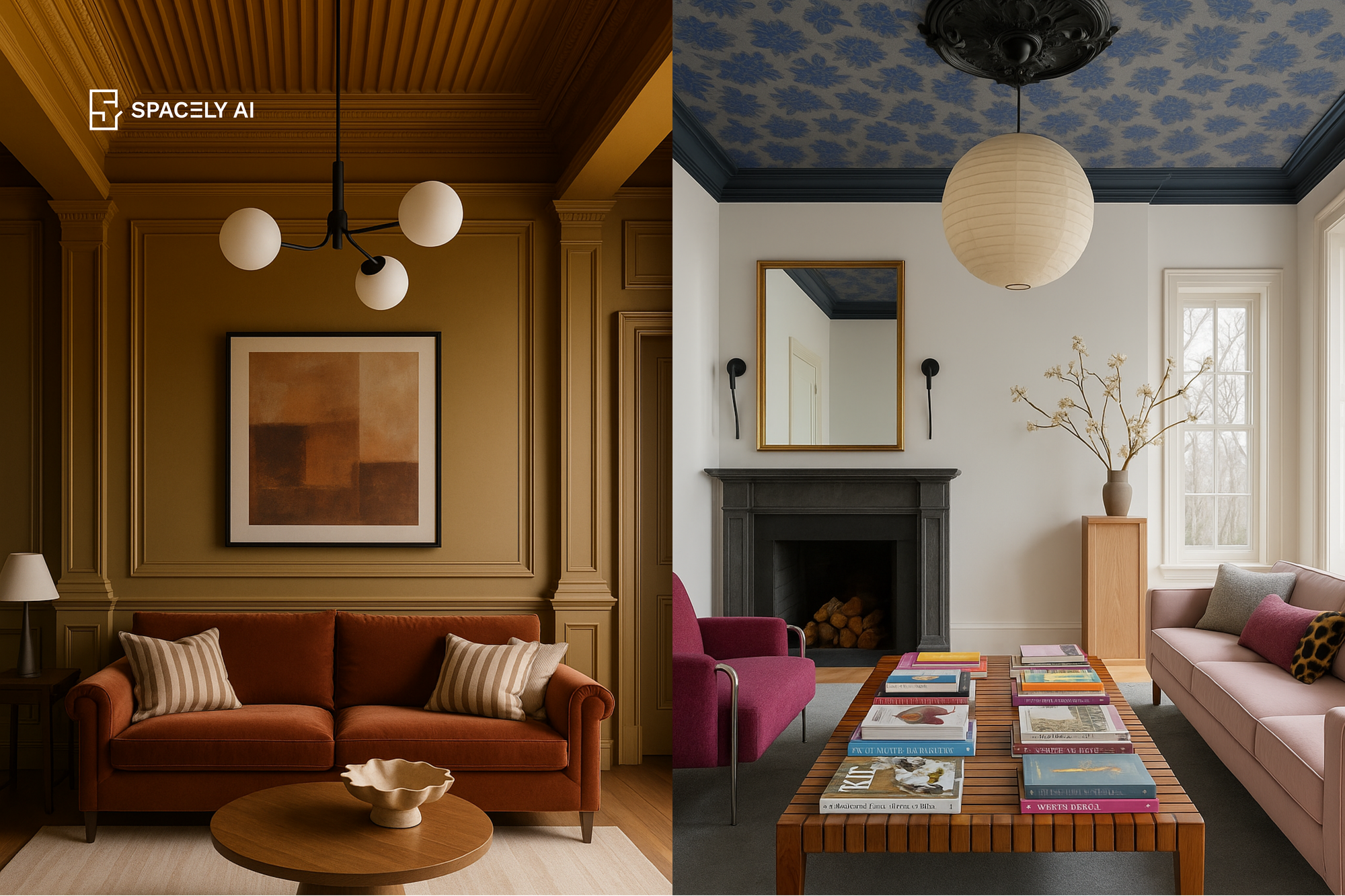
Designers are finally recognizing ceilings as untapped canvases rather than forgotten afterthoughts. This shift represents a fundamental change in spatial perception, treating the ceiling as the crown of the room that can dramatically alter the entire atmosphere.
Effective ceiling treatments range from bold paint colors that create intimacy in large spaces to intricate patterns that add visual complexity. Textural approaches include painted beams in contrasting colors, decorative molding creating geometric patterns, and fabric installations that improve acoustics while adding drama. The goal is enhancing the room's narrative rather than competing with existing elements.
3. Sensory Texture: Engaging All the Senses
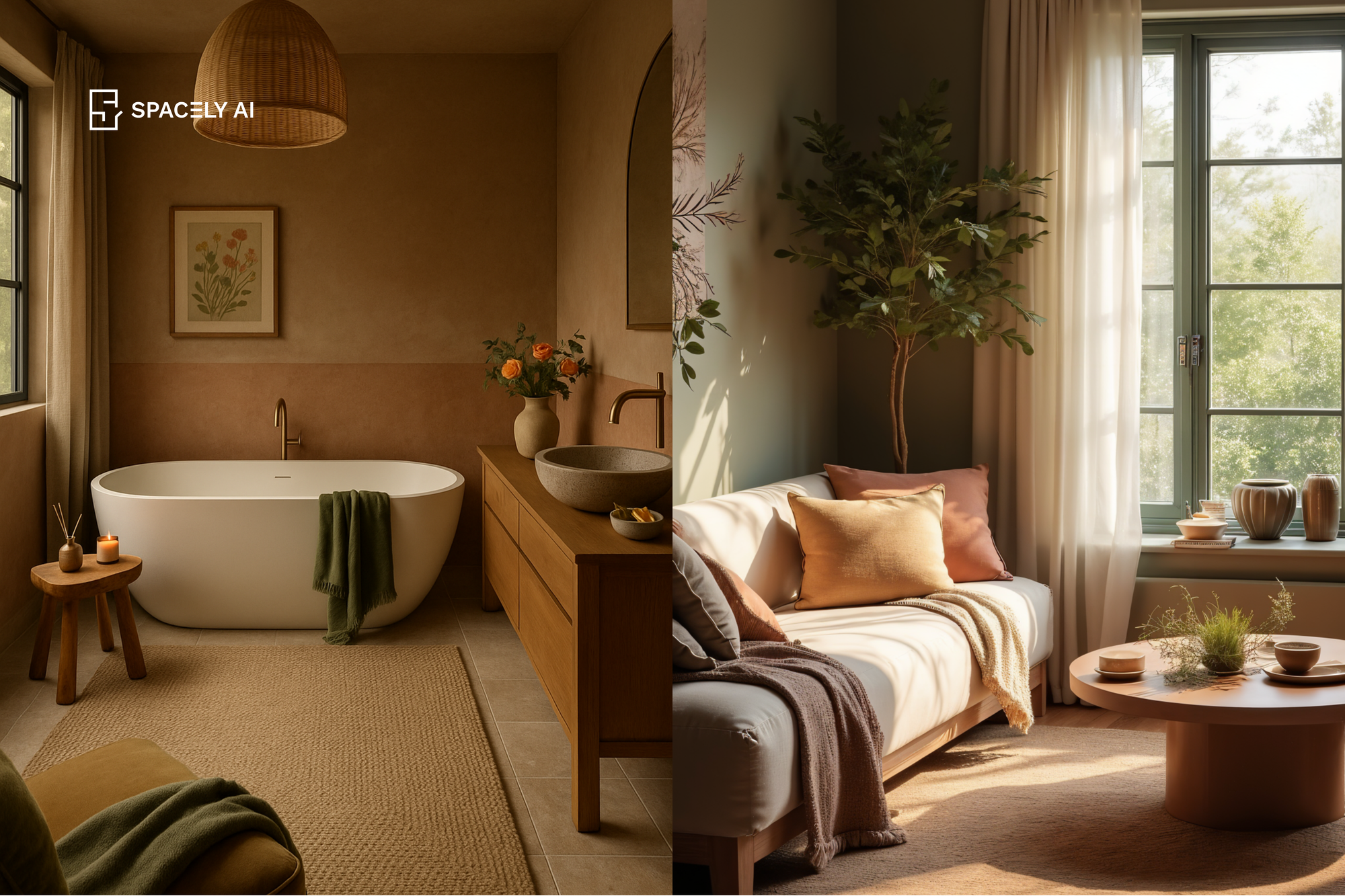
Modern sensory texture design acknowledges that homes should engage sight, touch, and even sound. This approach considers how different materials interact with light throughout the day and how surfaces affect acoustic comfort.
Successful implementation involves thoughtful layering where rough wooden furniture contrasts with smooth ceramics, nubby wool throws complement sleek leather seating, and natural stone provides cool contrast to warm textiles. The technique also adapts seasonally, incorporating cooling linens and smooth surfaces in summer while adding chunky knits and warm woods in winter.
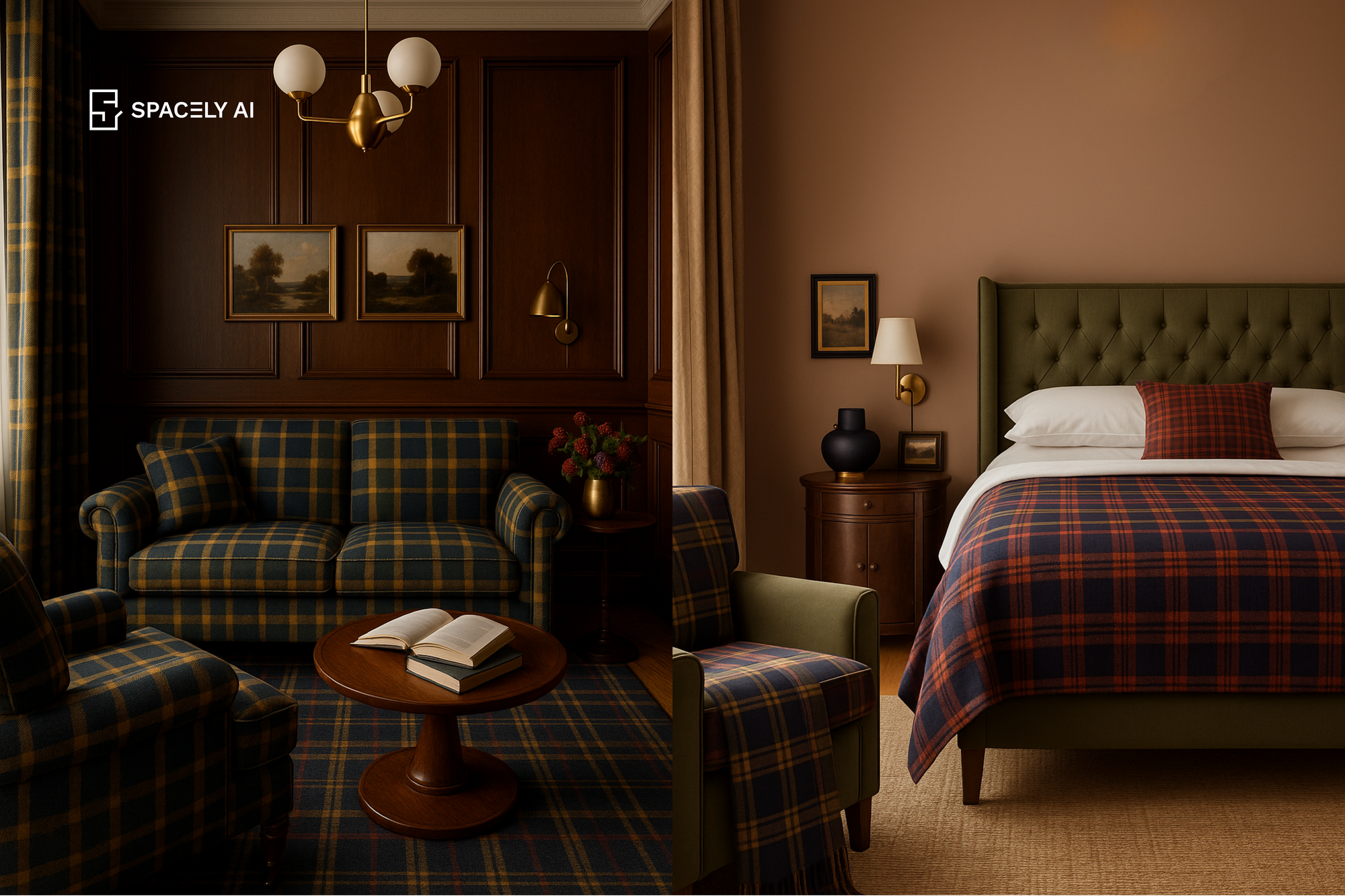
4. Tartan Pattern: Heritage Meets Modern Design
Contemporary tartan applications focus on the pattern's geometric structure rather than traditional clan associations. Modern interpretations explore how the plaid's grid system creates visual rhythm in contemporary spaces through scaled wallpapers, structured upholstery, or architectural elements that echo linear intersections.
The appeal stems from tartan's connection to traditional craftsmanship in our increasingly digital world. Contemporary color palettes move beyond traditional deep hues to include muted pastels, monochromatic schemes, and unexpected combinations that maintain structural integrity while feeling thoroughly current.
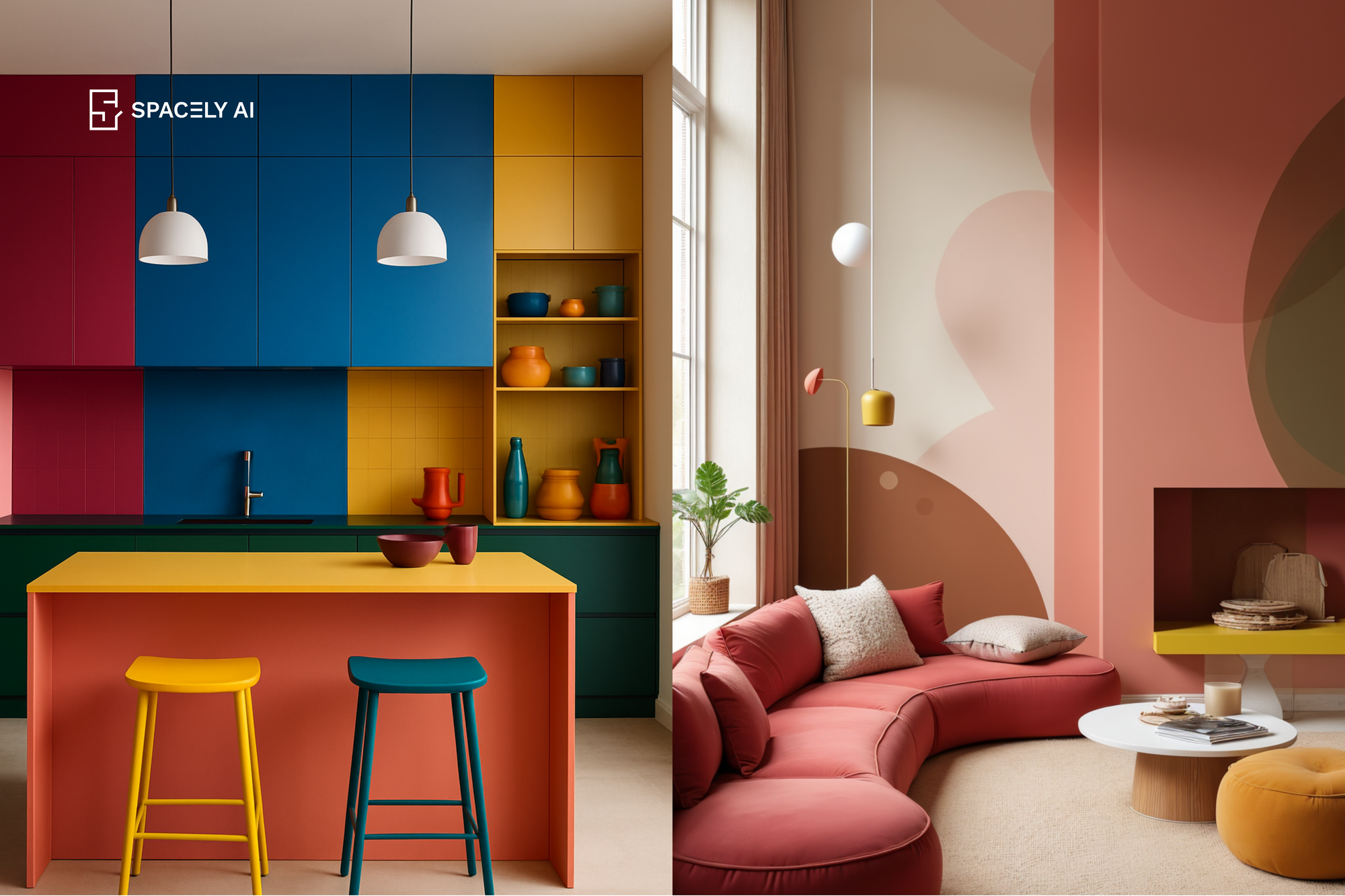
5. Color Blocking: Architectural Drama Through Strategic Paint
Color blocking creates bold geometric statements that transform architecture through strategic paint application. This technique treats walls, ceilings, and architectural features as components of a larger composition rather than individual elements.
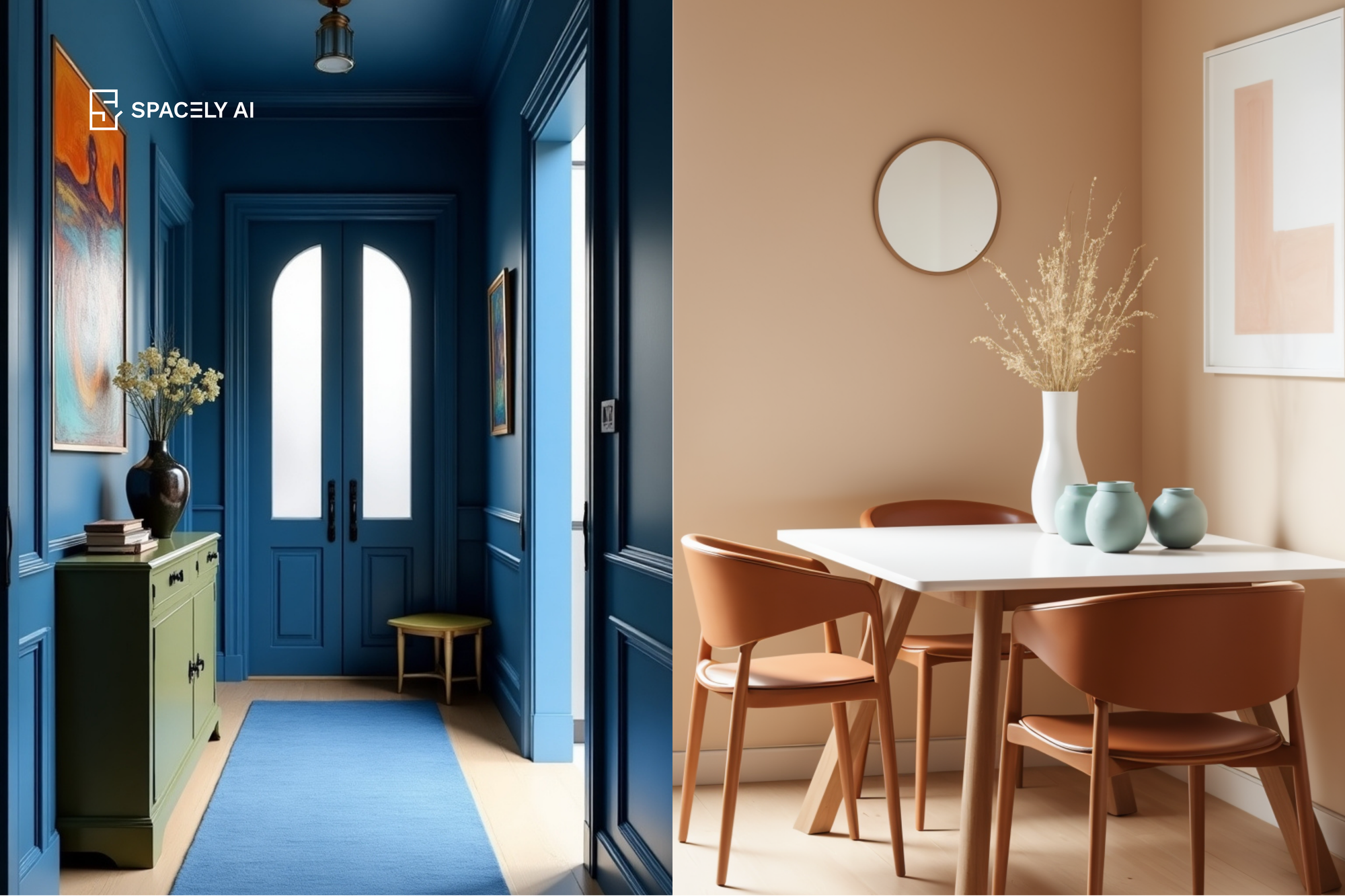
The approach excels at solving architectural challenges—long hallways can be visually shortened with warm colors on far walls, while awkward room proportions can be balanced using darker colors to recede certain walls and lighter colors to advance others. Color blocking offers an accessible way to experiment with bold color without overwhelming commitment, making it particularly appealing for renters or those hesitant about dramatic schemes.
The Deeper Connection: Design for Intentional Living
These five trends share a philosophy that elevates interior design beyond decoration to thoughtful environmental creation. Each approach considers how design choices affect daily life, emotional well-being, and the overall home experience.
Their staying power lies in adaptability and connection to fundamental human needs for beauty, comfort, and self-expression. Whether through colour drenching's enveloping comfort, ceiling design's unexpected drama, sensory texture's multi-dimensional appeal, tartan's heritage connection, or color blocking's architectural boldness, these trends offer pathways to homes that nurture, inspire, and delight their inhabitants.
The most successful 2025 interiors will combine these approaches thoughtfully, creating spaces that reflect both current design sophistication and timeless principles of good living.
💙 If you enjoyed this content and want more interior design ideas, don’t forget to subscribe to our blog. Stay tuned with Spacely AI’s Design Diaries for the latest insights and innovations in design. Together, let’s explore, innovate, and redefine the boundaries of design.
For more information and media inquiries, please contact
Most interior designers know the bottleneck by heart. The 3D model is finished, the client meeting is on the calendar, and the only thing standing between the t…
There's a quiet difference between AI tools built for professionals and AI tools built with professionals. The tools that professionals keep coming back to aren…
ChatGPT and Nano Banana can generate room images. So why do 580,000+ designers use Spacely AI instead? The answer is workflow — and it changes everything about…